
Ground beneath Bellevue
- Paved surface and glacial till
- Softer silty ground in places
- Dense glacial till
Water behavior Stormwater runs off large paved areas and collects in creek valleys and low spots.
Soil and water table in Bellevue
Parts of Bellevue sit on dense glacial till, with softer silty ground in places, and slow-draining soil lets rain linger near foundations. Water often moves sideways through the ground instead of draining straight down.
Creek valleys and low spots can collect runoff in major atmospheric rivers, and regional hazard maps show where ground conditions need extra care. Basements near these areas see seepage after multi-day storms.
Housing and buildings in Bellevue
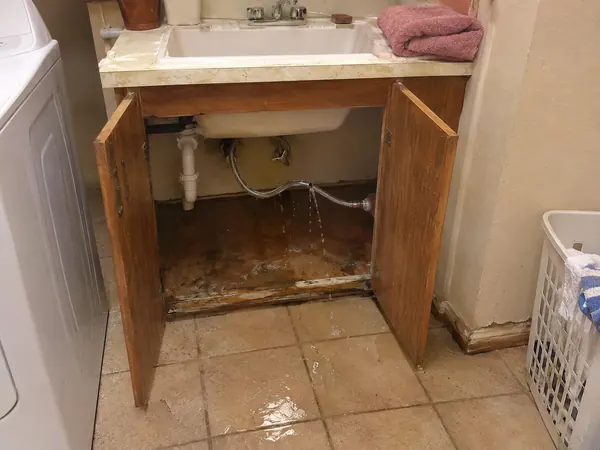
Downtown Bellevue is dominated by mid-rise and high-rise buildings, and a single plumbing failure can affect several floors and units. Property managers need extraction and drying planned unit by unit with separate records.
Surrounding neighborhoods have single-family homes with daylight basements and crawlspaces, many on gentle slopes. Wet insulation, finished basements and humid crawlspaces are the usual problems after a rainy stretch.
How a Bellevue job runs
Coordinate access
In a building, the crew works with management for unit access, and in a house it confirms utilities are off before work begins.
Extract and survey
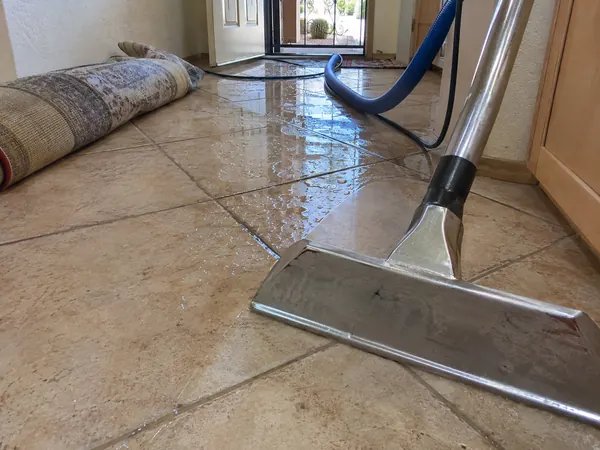
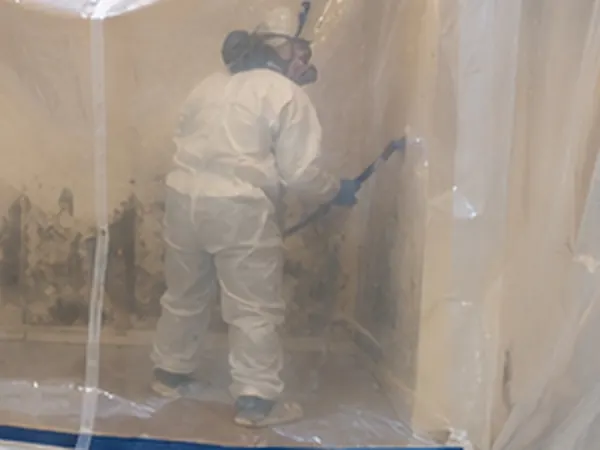
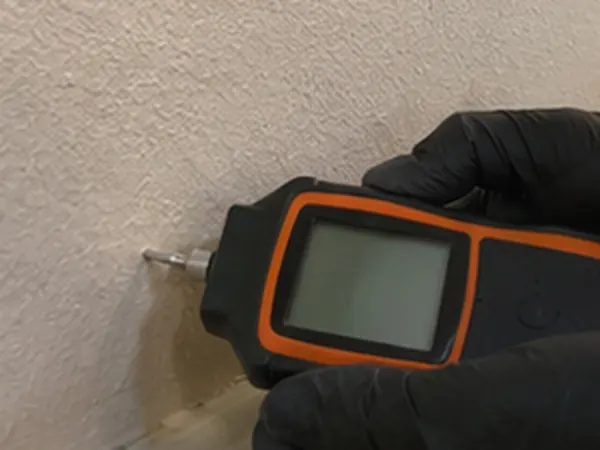
Water is removed from floors and stairs, and moisture meters map walls and slabs to find what is wet beyond the visible area.
Dry in zones
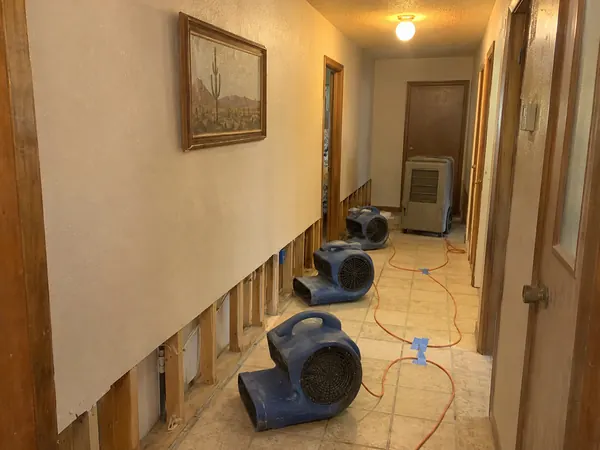
Air movers and dehumidifiers are placed by zone or unit, and readings are taken on each visit until dry standards are reached.
Report and hand off
The final file lists photos, readings and equipment days, which property managers and insurers can follow.
Common water problems in Bellevue
Stormwater rushing off large paved lots
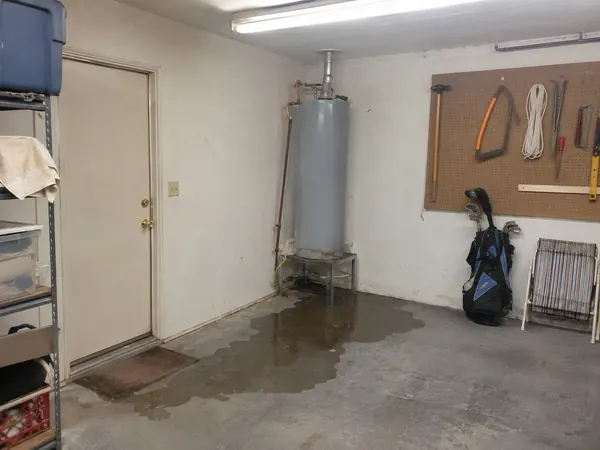
You see Water pooling at building entrances, garage ramps or lower-level doors after heavy rain
What helps Extraction and drying of affected areas, and a drainage contractor to review inlets and grading
Leaks between condo floors
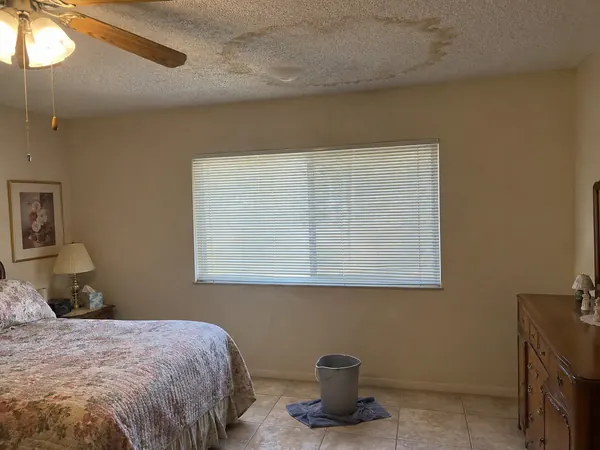
You see Ceiling stains in one unit that grow whenever the unit above uses water
What helps Ceiling opening, cavity drying and records for each unit that was touched
Seepage in hillside basements
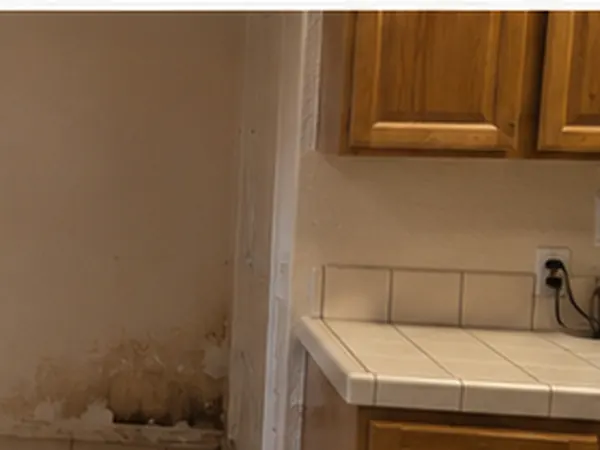
You see A damp base on lower walls and white mineral lines on concrete
What helps Water removal, wall drying and a footing drain check by a drainage contractor
Atmospheric rivers and the stormwater surge
Large autumn and winter storms can drop a lot of rain in a short period, and Bellevue's paved surfaces send it quickly toward drains. When storm drains fill, water backs toward entrances, garages and lower floors.
Property owners can lower the risk by clearing drain grates before forecast storms and by keeping sump pumps tested. Calls for extraction tend to spike in the days after each large event.
Insurance notes for Bellevue property owners
Standard homeowners policies in Washington usually exclude sewer or drain backup and flood unless an endorsement or separate policy is in place. Condo owners should also read the association's master policy and their own unit coverage.
Photographs, readings and drying logs help any claim, and we keep them in one file you can share. Ask your insurer which water category your loss falls under before work begins.
Typical water damage cost in Bellevue
Prices in Bellevue move with building type, number of units and how much of the loss involves common areas.
| Job type | Typical estimate |
|---|---|
| One condo unit with a contained leak | $1,500 to $4,500 |
| Single-family basement after storm water | $3,000 to $9,000 |
| Multi-unit or garage-level loss | $10,000 to $40,000 |
| Commercial floor, staged drying | $8,000 to $60,000 |
Typical estimates, not guaranteed prices. Call for an exact quote.
Send a message
Questions from Bellevue
[Cost] How much does water damage restoration cost in Bellevue?
A contained condo leak often runs $1,500 to $4,500, a single-family basement $3,000 to $9,000, and multi-unit or commercial losses climb from there. Building type and the number of affected zones set the price.
[Timing] How quickly can the crew reach Bellevue?
Bellevue is a short drive from the island, but I-90 traffic can change the timing. Call the emergency line and the dispatcher will give a window for your address and tell you what to do first.
[Insurance] Does a condo master policy cover my unit?
The master policy often covers the building shell, while owners carry coverage for interiors and belongings. Read both, report the loss to the association and your insurer, and keep our drying logs for the claim.
[Safety] Is storm water in a garage safe to enter?
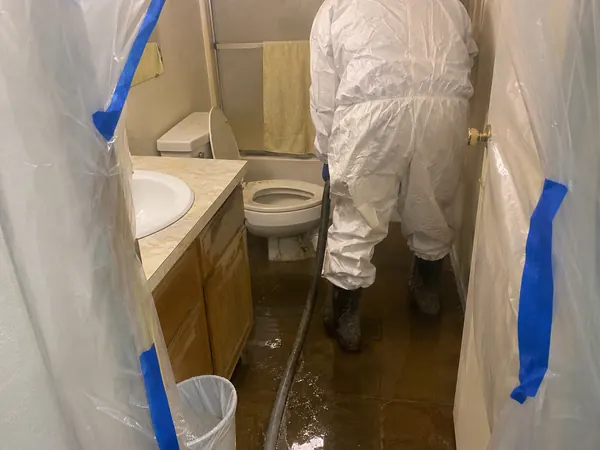
Not until electrical equipment in the area is off, because vehicle chargers and outlets may be live. Runoff can also carry oil and sewage, so wear boots and gloves and keep children out.
[Process] Do you work in high-rise buildings?
Yes, with coordination through building management for elevator, access and shutoff plans. Work is staged by unit or floor so each household gets its own record and equipment schedule.