Multi-unit damage scale
- Level 1Single unit, containedWater stays inside one apartment, such as a small appliance leakDry the unit and notify the owner or manager
- Level 2Two unitsWater drips through a ceiling or wall into a unit below or besideShut off the source, open ceilings if needed and document each unit
- Level 3Several unitsA riser, roof or sprinkler line leaks into three or more apartmentsCall management, close the riser valve and begin staged drying
- Level 4Building-wideA major pipe or roof failure affects common areas, stairs or elevatorsEvacuate if needed and call the owner, utility and emergency line
Signs of a multi-unit leak
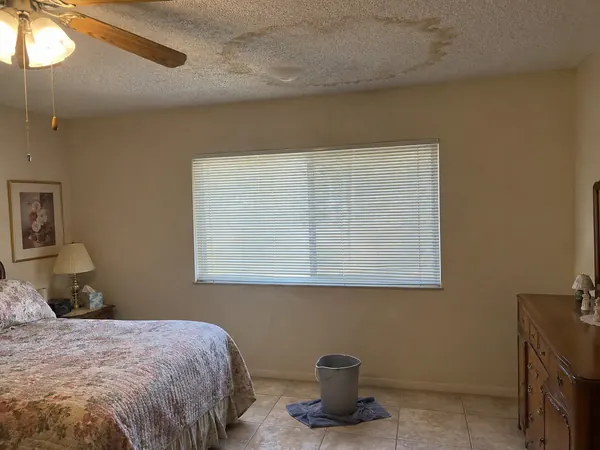
- A ceiling stain that appears after an upstairs neighbor runs a shower or washer
- Water on a wall or in a closet next to a shared plumbing chase
- Damp carpet in a hallway outside a unit
- A musty smell in a unit that has been dry for years
- Sprinkler or riser noises that continue with no use
Why shared buildings need extra planning
Multi-unit buildings and condo complexes cluster around the Town Center and other parts of the island, and shared walls, floors and plumbing stacks give water several ways to move. A leak in one unit can reach neighbors above, below and beside it.
Many island households rent their homes, so responsibility often sits between a landlord, a tenant and an association. Clear records of readings and photos for each unit make those conversations easier.
Shared walls and the Town Center
Mixed-use and condo buildings near the Town Center often share risers, roofs and hallways, so one failure can reach several households. Managers who keep shutoff locations posted and unit access plans on file shorten the time from first drip to first extraction.
How multi-unit cleanup works
Coordinate access
The crew works with the manager or association to enter each affected unit and confirm the source is closed.
Trace the path
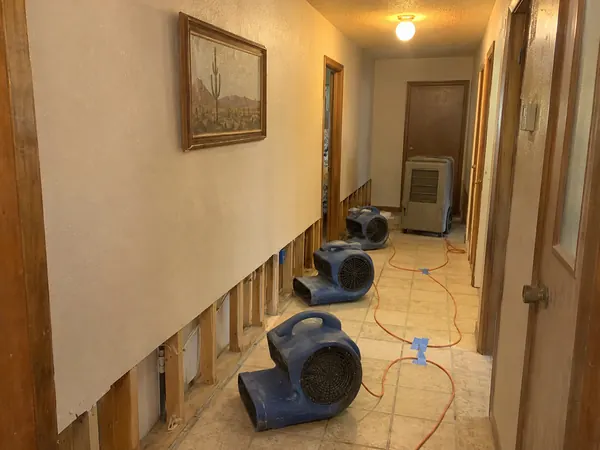
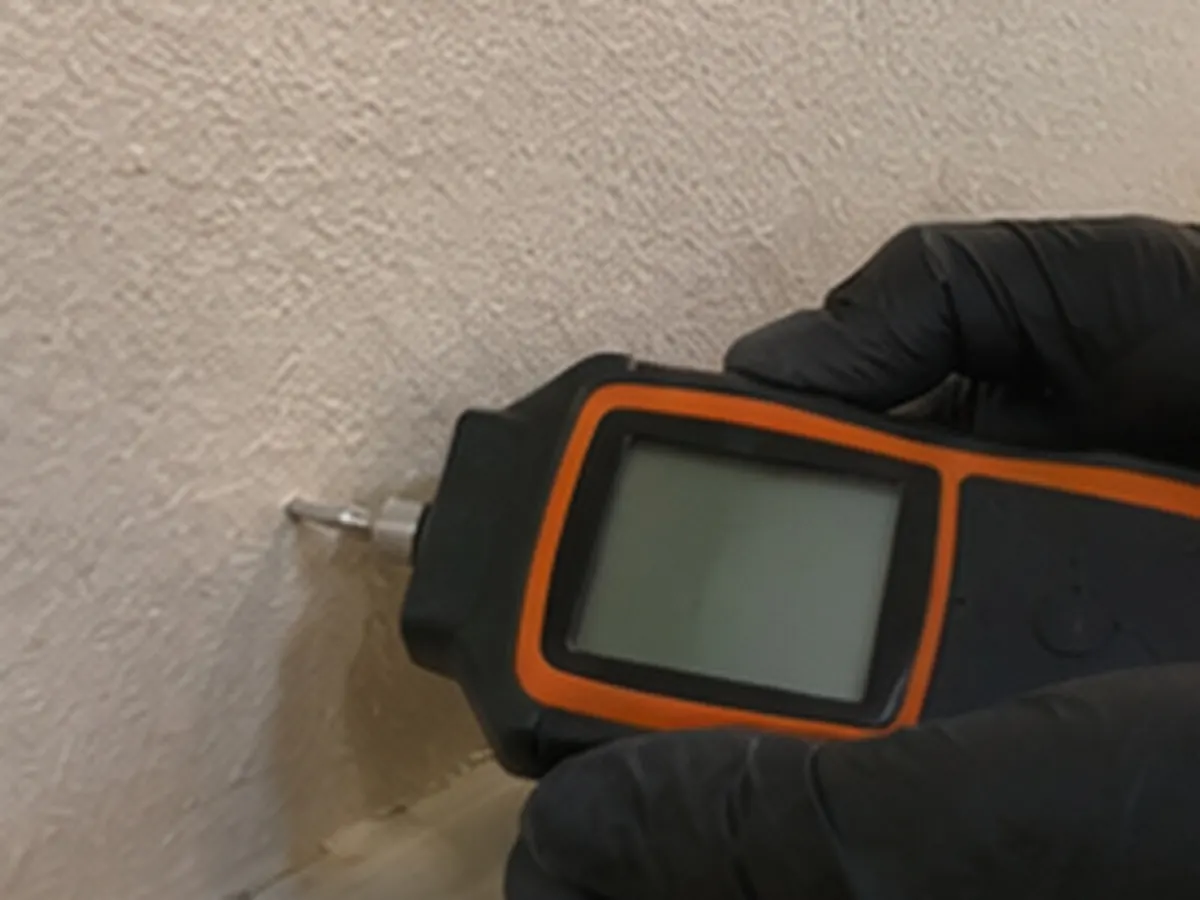
Moisture meters and a thermal camera follow water through ceilings, walls and floors to mark every wet area in each unit.
Extract and open
Standing water is removed unit by unit, and ceilings or wall sections are opened where water is trapped.
Stage the drying
Equipment is placed per unit with its own readings, so drying progress is recorded separately for each household.
Deliver unit-by-unit records
Each unit gets its own file of photos, readings and equipment logs for owners, tenants and insurers.
Tools for this problem
Problems in shared buildings
Leak between floors
You see A ceiling stain below an upstairs bathroom or laundry area
What helps The ceiling is opened, the cavity dried and the plumbing source repaired by the responsible party
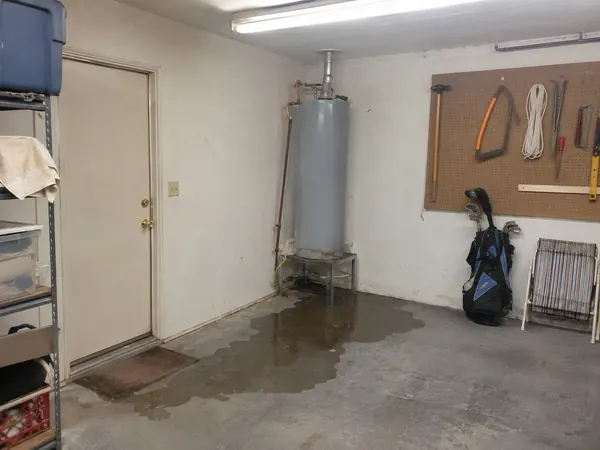
Shared riser leak
You see Multiple units report damp walls in the same vertical line
What helps Management closes the riser, and each affected wall is opened and dried
Roof or balcony water entry
You see Stains appear at top-floor ceilings or along exterior walls
What helps The envelope is repaired by a contractor, and wet insulation and drywall are dried or replaced
What tenants and managers can do first
- Tell the building manager or association as soon as water is seen
- Close the unit shutoff, or ask maintenance to close the riser
- Move belongings away from wet walls and ceilings
- Photograph damage in your own unit and send copies to the manager
- Notify your renters insurer if you are a tenant
What multi-unit service does not cover
We do not: The crew dries and documents, but it does not decide who is responsible for the leak or settle disputes between tenants, owners and associations.
Call instead: Call the building manager or association for responsibility, a licensed plumber for repairs and a landlord-tenant resource if there is a dispute.
Typical Apartment & Multi-Unit Water Damage cost in Mercer Island, WA
Multi-unit costs depend on how many units are affected, how many floors water crossed and whether common areas are involved.
| Job type | Typical estimate |
|---|---|
| One apartment, contained leak | $1,500 to $4,500 |
| Two or three units | $5,000 to $15,000 |
| Riser or roof leak across a building | $15,000 to $50,000 |
| Common areas and stairwells | $3,000 to $12,000 |
Typical estimates, not guaranteed prices. Call for an exact quote.
Questions people ask
[Cost] How much does multi-unit water damage cleanup cost?
A contained leak in one apartment often runs $1,500 to $4,500, while a riser or roof leak across several units can pass $15,000. Costs depend on units affected, floors crossed and common areas involved.
[Timing] How quickly must neighboring units be dried?
Start within one or two days in every affected unit, since wet drywall and carpet can begin to grow mold fast. Delays in one unit also keep humidity high in the shared structure and slow drying elsewhere.
[Insurance] Whose insurance pays for the damage?
It depends on the source, the lease and the association rules. Owners and associations often cover the building, and tenants may need renters insurance for belongings. We supply the records, but we cannot decide fault.
[Safety] Is it safe to stay in a unit during drying?
Usually yes for clean water, as long as equipment cords are kept clear and electrical areas are dry. Sewage or visible mold means staying out of affected rooms until the crew finishes.
[Process] How do you handle many units at once?
Each unit gets its own readings, equipment and file, and work is staged floor by floor. That keeps records clean for owners and insurers and lets one unit finish while another is still drying.