What failed and what to do
| If you see | Do this | Call |
|---|---|---|
| Water spreading from under a dishwasher or refrigerator | Shut off the supply valve, unplug if dry, and soak up water | Water damage crew, then an appliance technician |
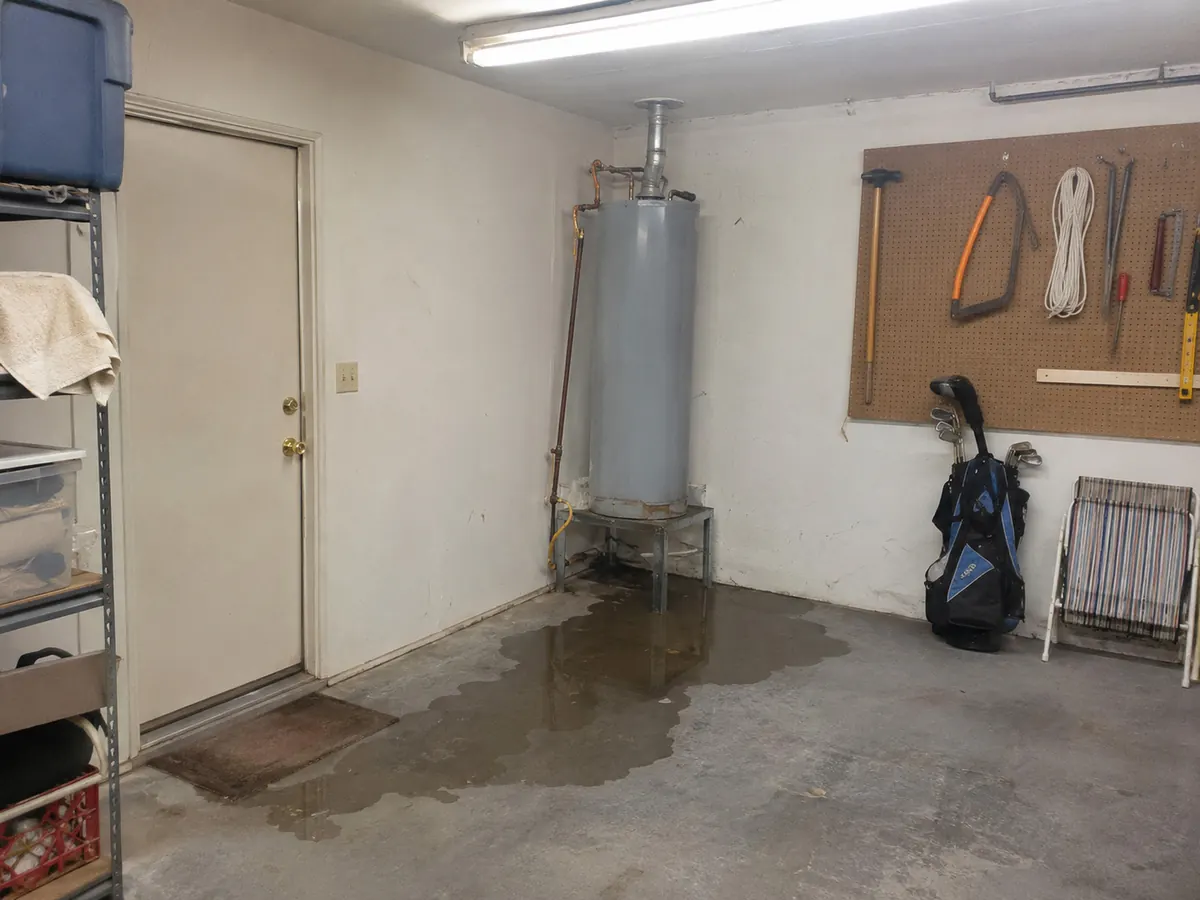
| Water around the base of a water heater tank | Turn off power or gas and close the cold inlet valve | Licensed plumber, then a water damage crew |
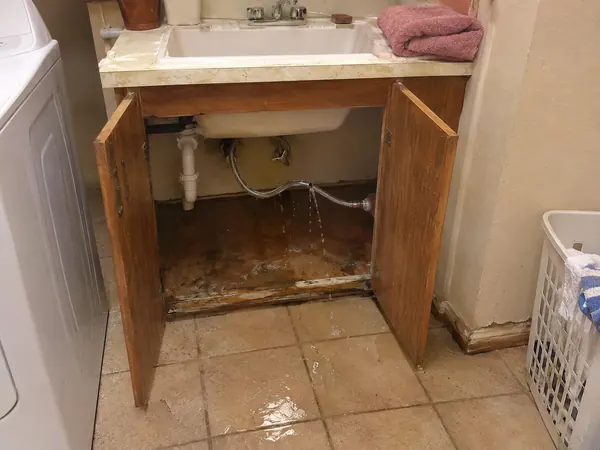
| Wet cabinets or warped floor near a washing machine | Close both washer valves and clear cabinets | Water damage crew, then a plumber for the hoses |
| A leak inside a built-in unit such as an ice maker line | Shut off the line behind the unit and pull it out if possible | Appliance technician and the water damage crew |
Why appliance leaks cost more on the island
Many island homes have custom kitchens with built-in appliances, stone counters and solid wood floors, and a failed line can soak finishes that are costly to match. Large open floor plans let water spread across more flooring than a standard layout.
Water heaters often sit in garages or closets that nobody checks, and tanks that are past their expected life can fail without warning. Braided supply hoses also wear out, and replacing them before they fail is cheaper than drying a kitchen.
Signs of an appliance leak
- Puddles or damp patches near the dishwasher, refrigerator or washer
- Cabinet bases that swell or darken
- Rust marks or moisture at the base of a water heater
- Floor boards that crown or tile grout that stays dark
- A rising water bill when no one is home
Right after the leak
- Shut off the water supply to the appliance, or the tank inlet
- Cut power or gas to a water heater before touching anything nearby
- Mop up water from hardwood and stone quickly to limit staining
- Empty lower cabinets and lift rugs and boxes off the floor
- Keep the damaged hose, valve or tank part for the insurer
Replace hoses and old tanks on a schedule
Rubber and braided supply hoses wear out, and tanks have a limited service life. Check manufacturing dates on both, replace hoses every few years and schedule tank replacement before a failure empties a tank into the house.
Tools for this problem
How appliance leak cleanup works
Isolate the appliance
The supply is confirmed off and the unit is moved if needed so the floor and cabinet toe-kick can be inspected.
Remove standing water
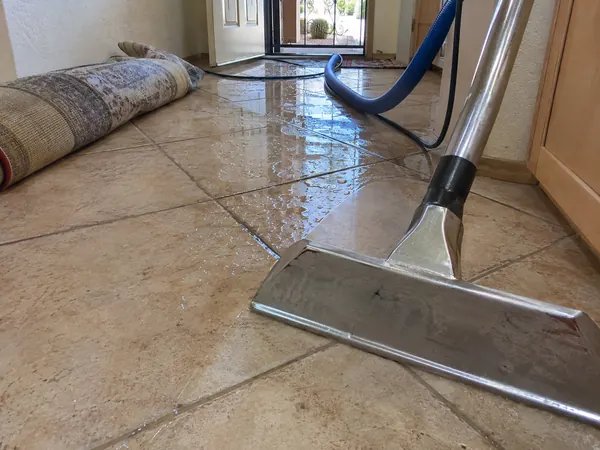
Extractors and towels clear the floor, and wet items are lifted onto dry surfaces.
Find hidden moisture
Meters and a thermal camera show water under cabinets, behind baseboards and beneath hardwood or tile.
Dry finishes in place
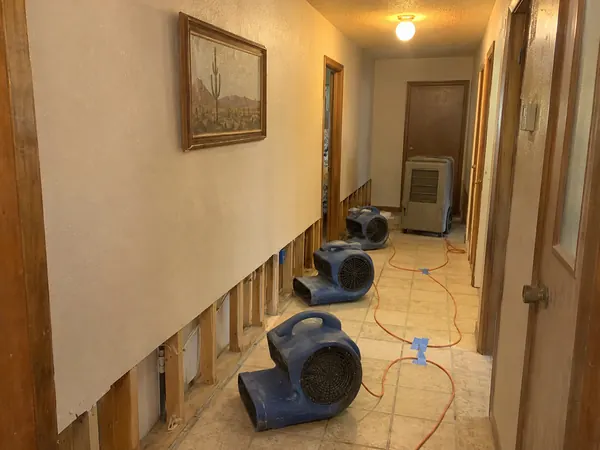
Floor drying mats, cabinet toe-kick openings and air movers dry wood floors and cabinets without full demolition when readings allow.
Record the failed part
The cause is photographed and the file is built for the insurer, which often wants to see what failed.
Appliance leak problems
Water under cabinets
You see Toe-kick boards swell and the floor feels soft nearby
What helps The toe-kick is removed, and warm airflow dries the base cabinets and subfloor
Water heater tank failure
You see Large volumes of water spread across a garage or utility room
What helps Extraction, a moisture survey of walls and slab, and a plumber for tank replacement
Hardwood cupping
You see Plank edges rise a few days after the leak
What helps Drying mats and humidity control are used, and the floor is judged again after it reaches normal moisture
Typical Appliance & Water Heater Leaks cost in Mercer Island, WA
Appliance leak costs follow the flooring type, the water volume and whether cabinets or walls were wet.
| Job type | Typical estimate |
|---|---|
| Small dishwasher or washer leak | $900 to $2,800 |
| Kitchen with cabinets and hardwood | $3,000 to $9,000 |
| Water heater tank failure | $2,000 to $7,000 |
| Large open floor plan with multiple rooms | $8,000 to $20,000 |
Typical estimates, not guaranteed prices. Call for an exact quote.
What appliance leak service does not cover
We do not: The crew handles water and drying, and it does not fix or replace appliances, hoses or water heaters.
Call instead: Call a licensed plumber for water heaters and supply lines, and the appliance maker or a repair technician for built-in units.
Questions people ask
[Cost] How much does appliance leak cleanup cost?
Small dishwasher or washer leaks often cost $900 to $2,800, while kitchens with hardwood and cabinets can reach $9,000. Water heater failures commonly land between $2,000 and $7,000.
[Timing] How soon do I need to dry a kitchen?
Start within hours, because water wicks into cabinet bases and under wood flooring quickly. Drying within two or three days gives hardwood a better chance to flatten without replacement.
[Insurance] Does insurance cover a water heater leak?
Sudden failures are commonly covered for the resulting water damage, though the appliance itself may not be. Slow leaks and neglected maintenance are often excluded, so photograph the failed part and report promptly.
[Safety] Is it safe to touch a leaking water heater?
Turn off power or gas first and avoid standing in water near electrical equipment. Hot water can scald, so let the tank cool and have a plumber confirm the unit is safe before it is used again.
[Process] Can hardwood floors be saved?
Often yes when drying starts within a day or two and the water was clean. Boards that stay cupped after drying are replaced, and the readings help your contractor decide.