Sewage and contaminated water categories
- Category 2, gray waterWashing machine overflow or a toilet that backed up with urine onlySoft materials are removed and hard surfaces are cleaned and dried
- Category 3, black waterSewage from a main line or a toilet overflow containing wasteContainment, removal of porous materials, cleaning and antimicrobial treatment
- Category 3, extended exposureWater of any source that stood in the structure for daysTreated as contaminated, with expanded removal and a final cleaning pass
Why backups happen on the island
Wet-season storms push large volumes of water into lawns, slopes and drains, and fallen leaves can block storm inlets near homes. A property sitting below a street or a sewer main is more exposed when lines run full.
Tree roots can enter older side sewers, and grease and wipes collect where pipes sag. A camera inspection after cleanup shows whether the problem is local to the house line or sits in a shared part of the system.
Signs of a sewage backup
- Gurgling from toilets or drains when another fixture runs
- Dark water or waste coming up through a floor drain or tub
- A sewer smell that is stronger near a basement drain
- Several drains slow down at once
- Toilets that bubble or flush weakly during heavy rain
How sewage cleanup works
Set up containment
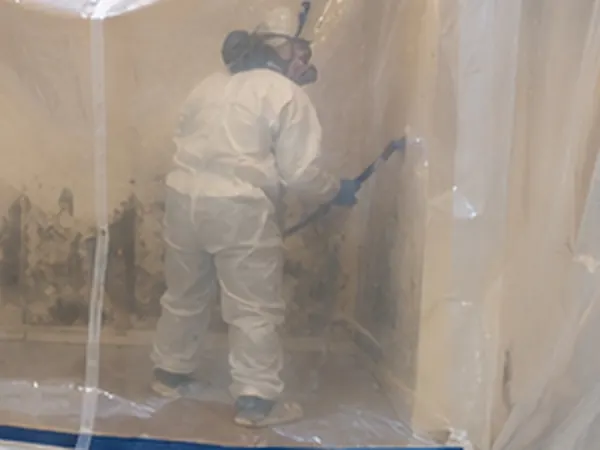
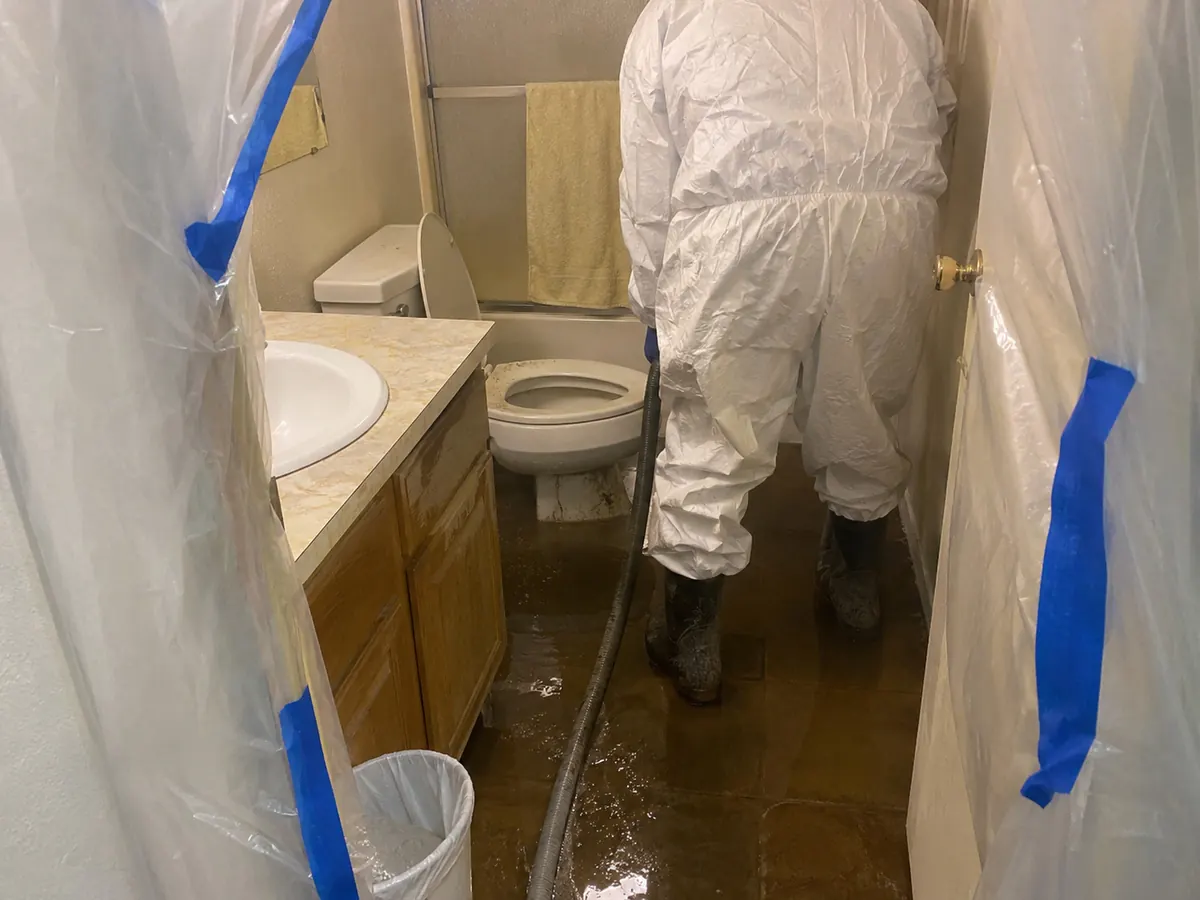
Plastic barriers and negative air pressure keep contamination from reaching clean rooms, and the crew wears gloves, boots and respirators.
Extract the waste water
Contaminated liquid is pumped out and disposed of properly, and solids are collected from floors and drains.
Remove porous materials
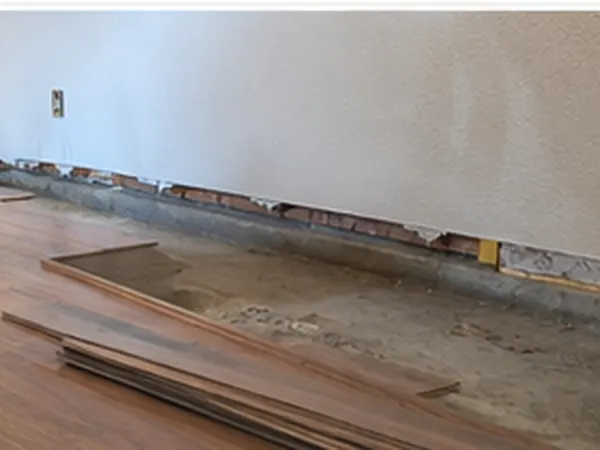
Carpet, pad, drywall and insulation that touched sewage are cut out and bagged, because cleaning them cannot make them safe.
Clean and treat surfaces
Framing and slabs are scrubbed and treated with an antimicrobial product that is allowed to stay wet for its labeled contact time.
Dry and verify
Dehumidifiers dry the area, and a final moisture reading and visual inspection confirm the space is ready for rebuild.
Leaves, storms and drain inlets
Autumn leaf fall can plug storm inlets at the curb and on driveways. Clearing leaves before a storm is a simple step for owners, and if street water still reaches a property, report it to the city and ask your insurer about backup coverage.
Safe steps before help arrives
- Stop using sinks, tubs, toilets and washing machines to keep adding water to the line
- Keep children, pets and anyone with a weak immune system out of the area
- Turn off power to the affected room only if you can reach the panel without wading
- Wear rubber boots and gloves if you must enter, and wash hands and shoes afterward
- Photograph the backup and note when it started
Tools for this problem
Problems left behind by sewage
Odor in a finished basement
You see A sour smell remains after carpet is removed
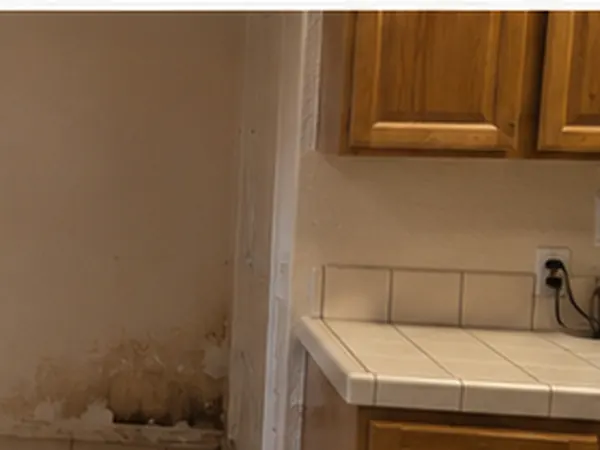
What helps Subfloor and framing are cleaned, treated and dried, and soaked drywall is cut higher than the visible line
Contaminated insulation
You see Wall cavities near the backup feel damp and smell foul
What helps Insulation is removed and framing is cleaned and treated before closing the wall
Repeat backups
You see The same drain overflows during every heavy storm
What helps A plumber scopes the line, and a backflow valve may reduce the chance of a repeat
What sewage cleanup does not cover
We do not: Cleanup addresses what the backup left in the house, and it does not clear the sewer line or repair broken pipes.
Call instead: Call a licensed plumber or drain contractor to clear the blockage, and contact the city if the problem is in the public main.
Typical Sewage Backup Cleanup cost in Mercer Island, WA
Sewage jobs cost more than clean water because of protective gear, disposal and the extra material removed.
| Job type | Typical estimate |
|---|---|
| One bathroom or small drain area | $2,500 to $6,000 |
| Basement room with carpet removal | $5,000 to $12,000 |
| Whole finished basement | $12,000 to $30,000 |
| Sewer camera scope, referred out | $250 to $600 |
Typical estimates, not guaranteed prices. Call for an exact quote.
Questions people ask
[Cost] How much does sewage backup cleanup cost?
Small bathroom backups often fall between $2,500 and $6,000, while a finished basement can pass $12,000. Contamination, material removal and disposal raise the price compared with clean water jobs.
[Timing] How long does sewage cleanup take?
Removal and cleaning usually take one to three days, followed by several days of drying. The exact schedule depends on how much porous material has to be removed and how wet the structure is.
[Insurance] Does insurance cover a sewer backup?
Standard homeowners policies often exclude sewer and drain backup unless a water backup endorsement was added, which commonly costs about $50 to $250 a year. Check your declarations page and ask your insurer.
[Safety] Is it safe to clean sewage myself?
Small cleanups are possible with gloves, boots and eye protection, but any backup that reached carpet or walls is better left to a crew with containment gear, because the bacteria spread easily.
[Process] Why do you remove so much material?
Porous items such as carpet, pad and drywall absorb contaminated water that cleaning cannot reach. Taking them out protects the people who will live there and keeps odors from returning later.