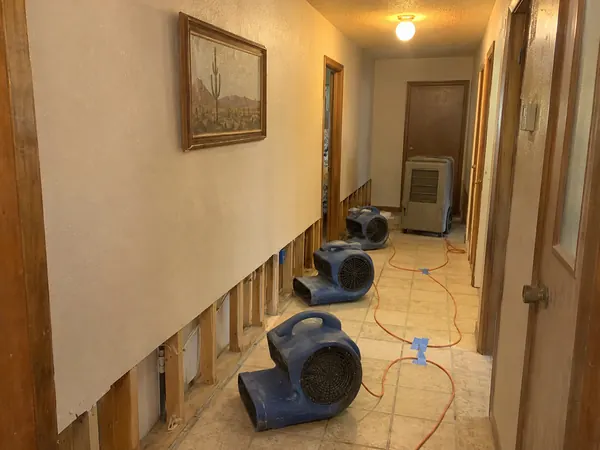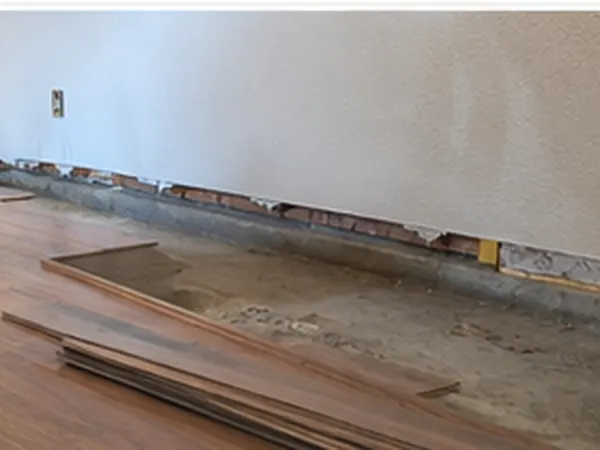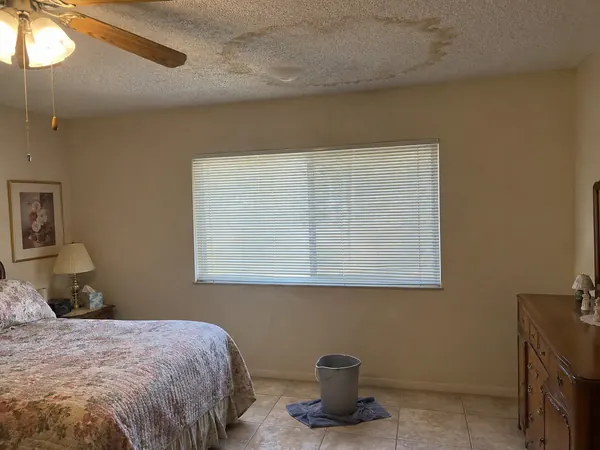
Early warning signs of mold
- A musty or earthy smell that is stronger after rain
- Dark spots on drywall, joists, window frames or around the base of a toilet
- Peeling paint or bubbled wallpaper on an exterior wall
- Condensation on windows that does not clear during the day
- Allergy-like symptoms that ease when you leave the house
Signs of a mold problem
- Cupped or buckled floors above a crawlspace after a wet winter
- Spotted or fuzzy growth on the back of stored boxes in a basement
- Persistent odor from a vent or return grille
- Rust or damp stains on window sills and sashes
- Discolored caulk or grout that returns quickly after cleaning
Why mold shows up in island homes
A long wet season and closed-up houses give mold what it needs: moisture, organic material and still air. Crawlspaces on sloped lots often have poor airflow and a damp floor, and they are the most common place for growth to start.
Winter heating can pull moist air into cold surfaces such as exterior walls and window frames, where condensation feeds growth over weeks. The musty smell usually appears long before anyone sees the mold.
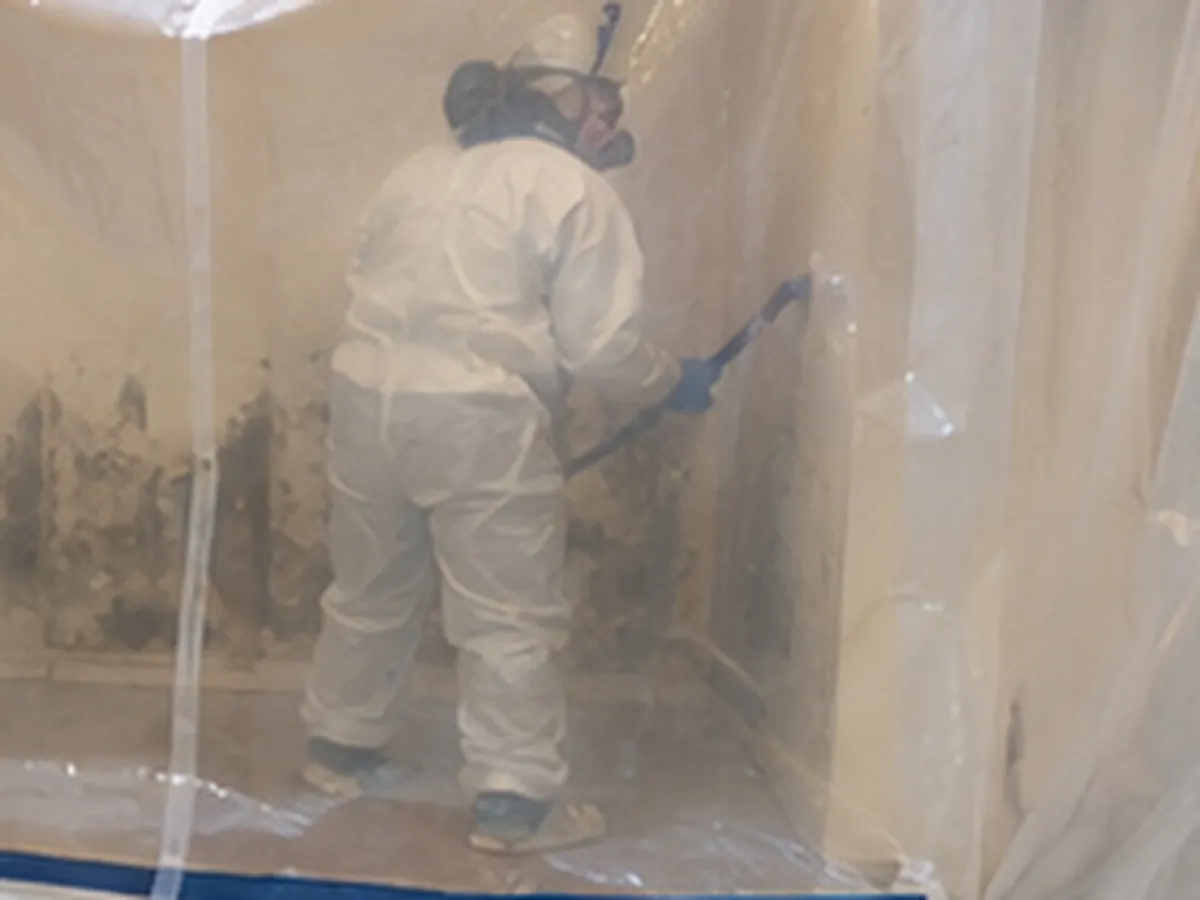
Crawlspaces on sloped lots
On hillside properties, runoff can reach the crawlspace floor and keep it damp for months. A graded exterior, working footing drains and a sealed vapor barrier with controlled humidity are the usual long-term fixes after cleanup.
Mold problems we see
Crawlspace growth on joists
You see Dark fuzzy patches on framing and a musty odor in rooms above
What helps Surfaces are cleaned or removed, the floor is covered with a vapor barrier and humidity is controlled
Bathroom wall growth
You see Black spots near a shower or toilet that return after cleaning
What helps Wet drywall is removed, the leak or vent problem is repaired and the wall is rebuilt
Attic sheathing mold
You see Dark staining on roof boards and damp insulation after winter
What helps Ventilation and air sealing are corrected, and affected insulation and surfaces are cleaned
What to do before remediation
- Fix or report any active leak first, because cleaning without a repair brings mold back
- Do not disturb moldy areas with brushes, fans or dry sweeping, which spread spores
- Turn off the heating system if it moves air through an affected room
- Keep children, pets and anyone with asthma away from the area
- Photograph the growth and note where odors are strongest
How mold remediation works
Find and fix the moisture
The crew traces the water source with meters and a thermal camera, and the source is repaired or reported to the right trade before any cleanup.
Contain the area
Plastic barriers and negative air pressure keep spores from drifting into living space during removal.
Remove affected materials
Drywall, insulation and porous items with growth are cut out and bagged in the work area, while framing is cleaned with HEPA vacuums and wire brushes.
Clean the air and surfaces
HEPA air scrubbers run until the work is done, and cleaned wood surfaces are wiped and treated where appropriate.
Dry and verify
Dehumidifiers bring moisture down, and a final inspection confirms the space is dry and free of visible growth.
Typical Mold Remediation cost in Mercer Island, WA
Mold cost follows the area affected, how much material must come out and whether the moisture source is still active.
| Job type | Typical estimate |
|---|---|
| Small area under 10 square feet | $500 to $1,500 |
| Crawlspace remediation | $1,500 to $6,000 |
| Multiple rooms with drywall removal | $3,000 to $10,000 |
| Whole-house or attic project | $8,000 to $20,000 |
Typical estimates, not guaranteed prices. Call for an exact quote.
What mold remediation does not cover
We do not: Remediation removes growth and controls moisture, and it does not guarantee that mold will never return if the building keeps getting wet.
Call instead: Call an independent industrial hygienist for air testing, and a roofer or plumber for the source of water.
Questions people ask
[Cost] How much does mold remediation cost?
Small patches can be under $1,500, crawlspaces often fall between $1,500 and $6,000, and multi-room jobs can reach $10,000 or more. Size, material removal and access determine where yours lands.
[Timing] How long does remediation take?
A small area can finish in a day or two, while a crawlspace or multi-room project may take three to seven days including drying. Fixing the water source first keeps the schedule predictable.
[Insurance] Does insurance cover mold removal?
Coverage often depends on the cause. Mold that follows a covered sudden leak may be included, while mold from long-term humidity commonly is not. Read the policy language on fungi and ask your adjuster.
[Safety] Is mold dangerous to live with?
Mold can aggravate allergies and asthma and irritate eyes and throat. Visible growth over a small area is manageable, but larger growth or health symptoms are good reasons to call a crew and a doctor.
[Process] Can I just clean mold with bleach?
Bleach can lighten the surface of hard materials but does not reach roots in wood or drywall, and it adds moisture. Porous materials with growth are removed, and the moisture source must be fixed.