Basement flood severity scale
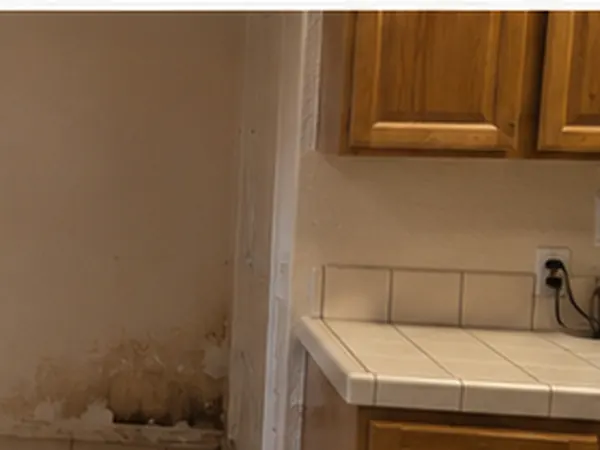
- Level 1Damp slabDark patches on the floor and a damp feel at the base of wallsRun a dehumidifier and check gutters and grading
- Level 2Shallow waterA film or pools under an inch deep across part of the floorShut off power and call for extraction and drying
- Level 3Standing waterOne to six inches across most of the floor, with soaked carpetCall at once, since carpet and drywall are at risk
- Level 4Deep floodingWater above six inches, or water reaching the electrical panel or furnaceStay out, call the emergency line and your utility if the panel is wet
Signs of basement water entry
- Damp or dark patches along the base of walls after rain
- White mineral crust on concrete or block walls
- A sump pump that runs constantly or does not run at all
- Water at a floor drain, window well or floor-wall joint
- A damp smell that returns even after the floor dries
Why lower levels flood on a hillside island
Rain runs downhill on sloped lots, and a downhill-facing or uphill-facing wall can take water pressure from saturated soil during the wet season. If a footing drain is old or blocked, that water finds its way through cracks and floor joints.
Silty surface soils over dense layers hold water near the surface after weeks of rain, and sump pumps often run constantly. When winter windstorms cut power, a pump without battery backup stops, and the basement fills.
Tools for this problem
Sump pumps and winter power outages
Windstorms that knock out power also stop standard sump pumps at the moment groundwater is highest. A battery backup sized for the pit, tested each October, is a cheap safeguard against a full-basement loss.
Problems found after basement floods
Failed sump pump
You see The pit is full, the pump hums but does not move water, or power is out
What helps A plumber replaces the pump, and a battery backup keeps it running during outages
Clogged footing drain
You see Water appears at the floor edge after every heavy rain
What helps A drainage contractor flushes or replaces the drain, and city permits apply if outdoor work disturbs a slope
Wet insulation behind finished walls
You see The wall feels cold, and paint peels near the floor
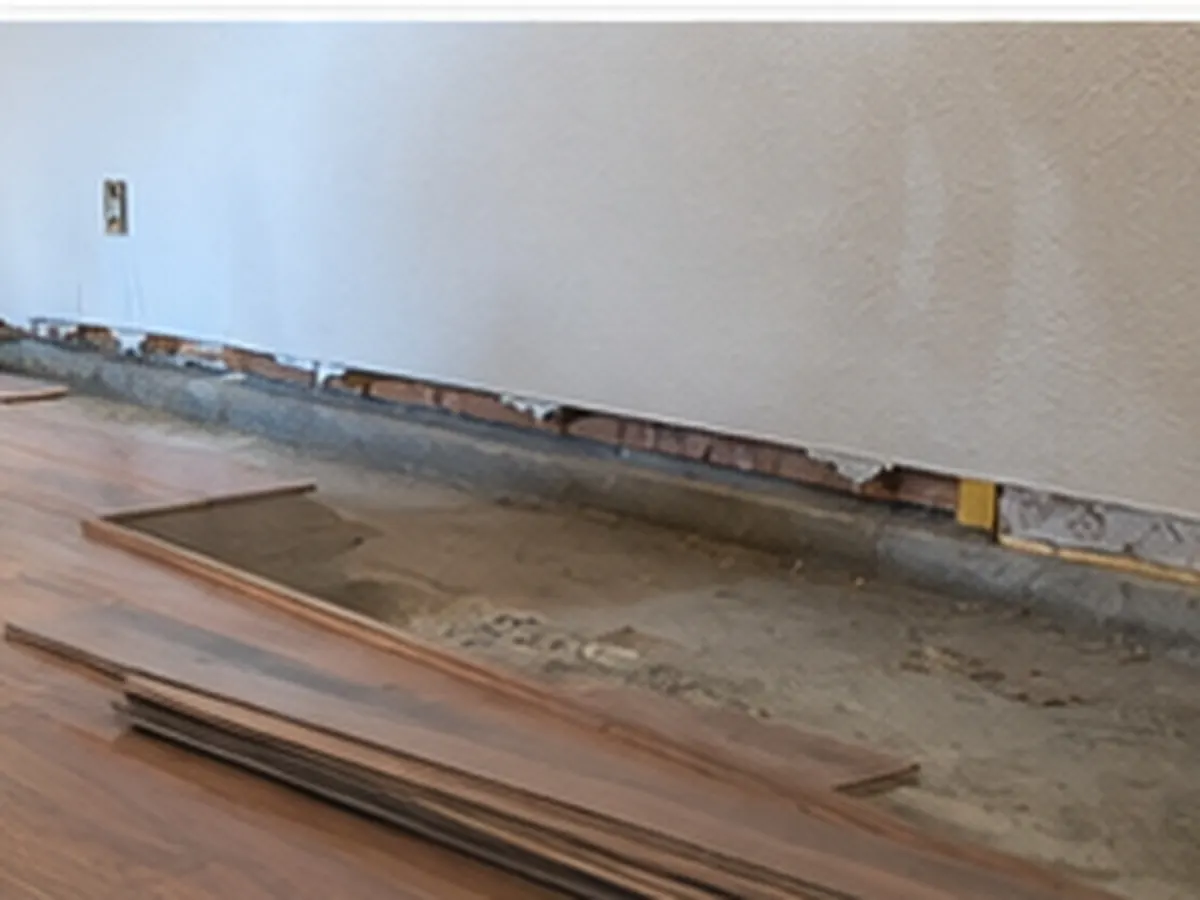
What helps Lower drywall and insulation come out, and the cavity is dried before closing
How basement cleanup works
Power and safety check
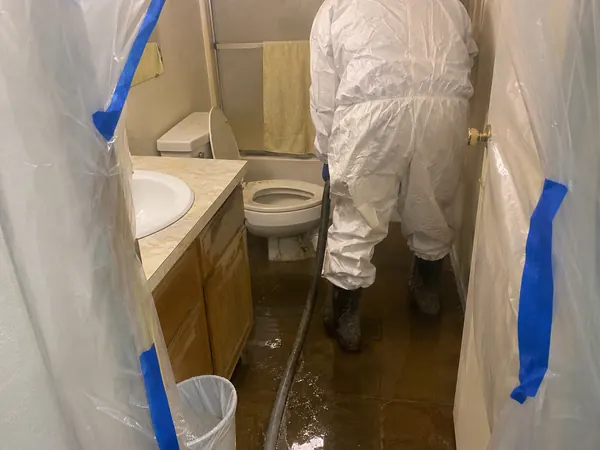
The crew confirms electrical equipment is off, checks the furnace and water heater and tests the water for sewage signs.
Water removal
Submersible pumps drain standing water, and portable extractors pull remaining water from carpet and slab.
Wall and floor survey
Meters and a thermal camera show how high water wicked into drywall and which framing is wet.
Removal of ruined materials
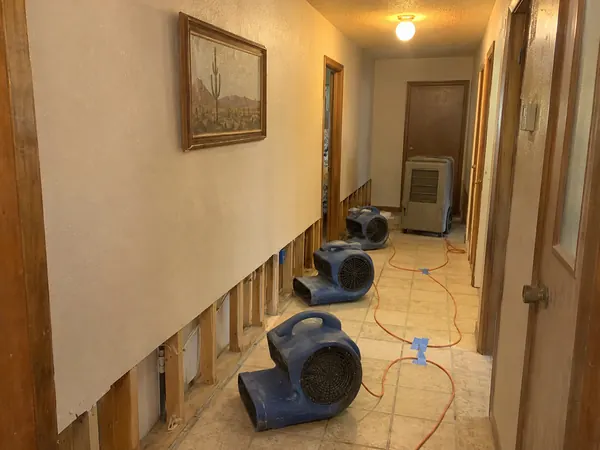
Wet carpet, pad and the lower section of drywall are cut out so air can reach the framing and slab.
Dehumidification and review
Dehumidifiers and air movers run until the readings level off, and you get notes on the sump, drain and grading.
While water is in the basement
- Do not enter if the water reaches outlets, the panel or the furnace
- Cut power to the basement from the main panel if it is dry and safe to reach
- Move valuables and boxes to higher shelves or upstairs
- Photograph the water line on walls and furniture
- Check the sump pump and its discharge pipe for blockage if you can do so safely
What basement cleanup does not cover
We do not: The crew removes water and dries the space, and it does not install drains, waterproof foundation walls or stabilize slopes.
Call instead: Call a drainage or waterproofing contractor and, for slope work, a geotechnical engineer, since city permits can apply on island hillsides.
Typical Basement Flood Cleanup cost in Mercer Island, WA
Basement costs follow depth, finished area and whether drywall, carpet and insulation were wet.
| Job type | Typical estimate |
|---|---|
| Shallow water in an unfinished basement | $1,500 to $4,000 |
| Finished basement, one or two rooms | $4,000 to $10,000 |
| Whole finished basement | $10,000 to $25,000 |
| Sump pump replacement, referred out | $800 to $2,500 |
Typical estimates, not guaranteed prices. Call for an exact quote.
Questions people ask
[Cost] How much does basement flood cleanup cost?
Shallow water in an unfinished basement often runs $1,500 to $4,000, while finished basements with carpet and drywall can pass $10,000. Depth and finishes are the two biggest cost factors.
[Timing] How long until my basement is dry?
Concrete slabs hold moisture longer than wood, so expect three to seven days of drying after extraction. Cold, wet weather can add time, and readings tell us when the slab is truly dry.
[Insurance] Is basement flooding covered by insurance?
Water from groundwater seepage or rising water is commonly excluded from standard homeowners policies, while sudden plumbing failures are usually covered. A water backup endorsement or flood policy may fill the gap.
[Safety] Is it safe to go downstairs?
Not if water is near the panel, outlets or the furnace, because electric shock is the main danger. Wait for power to be cut and use boots, and treat any dark, smelly water as sewage.
[Process] How do I stop it from happening again?
Clear gutters, extend downspouts away from the house, test the sump pump each fall and consider a battery backup. A drainage contractor can check footing drains, and slope work may need a geotechnical review.