Typical drying timeline
| Day | What happens | Sample moisture reading |
|---|---|---|
| Day 1 | Equipment is placed and starting readings are recorded for every wet material | Drywall 25 to 40 percent |
| Day 2 | Equipment is adjusted, and wall cavities and floor mats are checked for airflow | Drywall 18 to 28 percent |
| Day 3 | Readings are compared with a dry reference, and slow areas get extra air movers | Drywall 12 to 18 percent |
| Day 4 to 5 | Final readings confirm dry standards, and equipment is removed with a close-out log | Drywall under 12 percent |
These readings are samples for illustration, since real values depend on the material, the meter scale and indoor conditions.
Why drying takes planning in island homes
Cool, damp weather from October through March slows evaporation, so a house that was wet in a heavy rain week dries slower than the same house in July. Dehumidifiers matter more than fans during those months because the outdoor air cannot absorb extra moisture.
Custom millwork, thick stone countertops and engineered wood floors are common here, and each of them holds water differently. Drying them in place needs careful airflow and temperature control, which is why the schedule is built from readings and not guesses.
Signs a structure is still wet
- A moisture meter reads high on drywall or baseboard after the surface looks dry
- Paint blisters, wallpaper peels or drywall seams crack
- Windows fog on the inside after a leak
- Floors feel springy, or hardwood edges rise
- A musty smell lingers days after the visible water is gone
Tools for this problem
Drying problems we plan for
Wet subfloor under hardwood
You see The surface feels dry while readings stay high underneath
What helps Drying mats and sealed vacuum drying pull moisture from the subfloor without tearing up the floor
Double-layer drywall
You see The outer layer reads dry but the inner layer holds moisture
What helps Cavity drying through small openings, and removal of the panel if readings stall
Humidity creeping up in a closed house
You see The air feels heavy and windows fog during the winter wet season
What helps Extra dehumidification capacity and a clear routine for keeping the space closed
Winter drying and the closed-house rule
Between October and March, outdoor air in this climate is usually humid, so opening windows can add moisture instead of removing it. Keeping the building closed and letting dehumidifiers do the work is how drying stays on schedule through the wet months.
What to do while drying equipment runs
- Keep windows and exterior doors closed so the dehumidifiers can work
- Leave the equipment plugged in and do not move air movers
- Keep the thermostat near its usual setting, since warmth speeds drying
- Tell the crew about any new stain or odor that appears
- Keep children and pets clear of cords and hot exhaust
How structural drying runs
Baseline readings
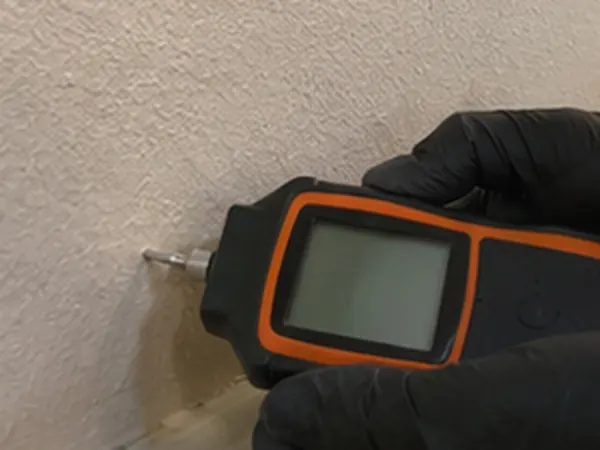
Each wet material gets a recorded value, and the reading points are marked so later visits compare the same spots.
Equipment placement
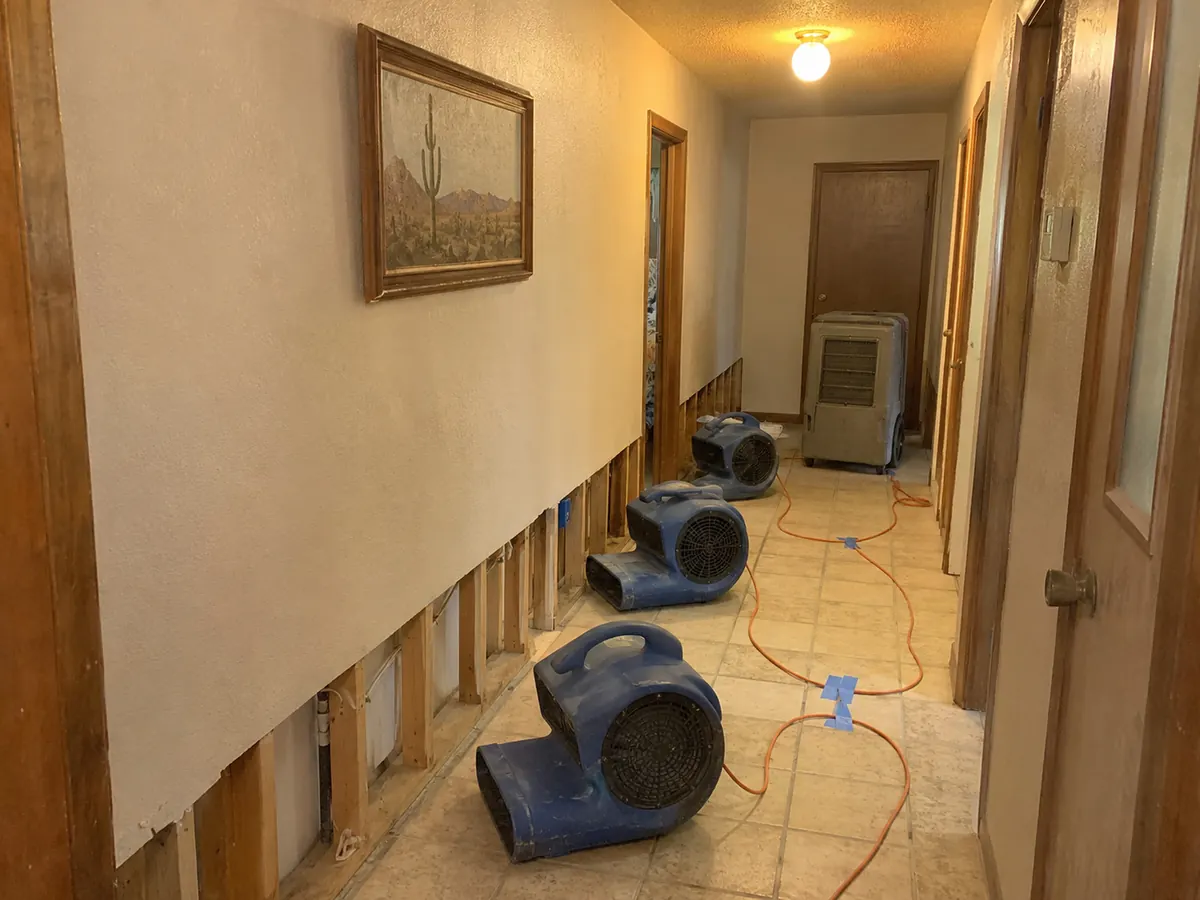
Air movers point along walls and across floors, while low-grain refrigerant dehumidifiers run in the closed space to pull moisture out of the air.
Cavity and floor drying
Small holes or lifted baseboards let air enter wall cavities, and floor mats draw moisture from under hardwood and tile.
Daily monitoring
Each visit records temperature, humidity and material readings, and equipment moves wherever the readings stall.
Dry verification
When readings reach the dry standard for each material, the equipment is pulled and the logs are saved for your file.
Typical Structural Drying cost in Mercer Island, WA
Drying cost follows equipment days, wet square footage and how many materials need cavity drying.
| Job type | Typical estimate |
|---|---|
| One room, three to four equipment days | $1,200 to $3,000 |
| Several rooms with cavity drying | $3,000 to $8,500 |
| Large open floor plan with hardwood | $7,500 to $18,000 |
| Extra monitoring days beyond the plan | $150 to $350 per day |
Typical estimates, not guaranteed prices. Call for an exact quote.
What drying does not cover
We do not: Drying brings moisture down, but it cannot repair cracked drywall, warped boards or stained finishes, and it does not remove mold that has already grown.
Call instead: Call a general contractor for repairs after drying and a licensed mold assessor if you suspect growth beyond a small area.
Questions people ask
[Cost] Why does drying cost more than I expected?
Equipment rents by the day and each dehumidifier or air mover adds to the total, so larger or wetter jobs cost more. The monitoring visits also take labor, which is part of what makes the record trustworthy for insurers.
[Timing] How many days will the equipment run?
Most clean-water jobs take three to five days. Thick materials, cold weather and long-standing water can stretch that, and the daily readings are what tell us when drying is actually complete.
[Insurance] What records will my insurer want?
Insurers usually ask for the starting readings, daily logs, equipment lists and photos. We keep all of it in one file and can send it directly when you give us the claim contact.
[Safety] Is the equipment safe to run overnight?
Yes, when cords are kept dry and equipment stays on the circuits the crew selected. Do not stack items on top of dehumidifiers or cover air intakes, because that causes overheating.
[Process] Can wet drywall always be saved?
Not always. Clean-water drywall usually dries in place, but swollen, crumbling or contaminated panels come out. The crew compares readings after day two and tells you which panels are not recovering.