Start with the location
Dampness on exterior walls near the floor often comes from groundwater or runoff, while damp spots near ceilings point to roof or attic moisture. Damp patches that follow a plumbing wall suggest a supply or drain leak.
Mark the spot with painter's tape and a date, then watch it for a week. A patch that grows after rain behaves differently from one that grows when a fixture runs.
Condensation versus a leak
Condensation forms when warm indoor air meets a cold surface, and it is common on windows and on walls behind furniture in winter. It tends to appear in the morning and fade through the day.
A leak keeps feeding the same area, so the damp patch stays or spreads. A moisture meter reading that stays high after several dry days is a sign the water has a source, not just a cold surface.
Crawlspaces and basements
Crawlspaces often hold damp air and a wet floor through the wet season, and the moisture rises into floors and walls above. A musty smell in upstairs rooms is a common early signal.
Basements on sloped lots can take water through the base of uphill walls after long rain. White mineral crust on concrete shows water has passed through and evaporated.
When to call for a survey
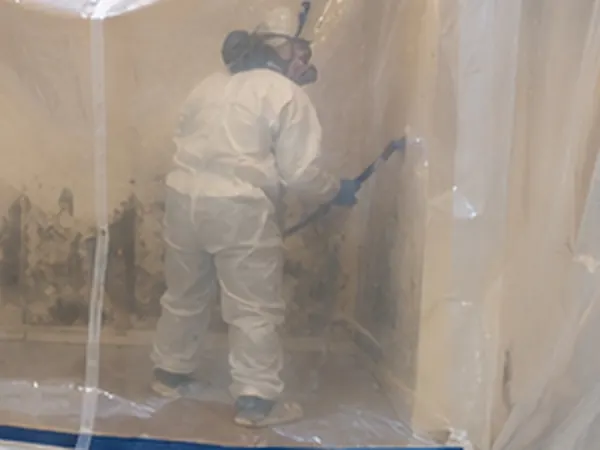
Call when readings stay high, when you smell mold, or when you see growth on framing or drywall. A moisture survey with a thermal camera maps the wet areas without opening walls.
Fix the source first, then dry the structure, and plan humidity control so the problem does not return next winter. A vapor barrier, gutters and grading all help.
What moisture readings actually tell you
A pin meter reads moisture inside drywall and wood, and a thermal camera shows cold, wet patches without touching the wall. Neither gives a diagnosis alone, but together they show whether a patch is a surface effect or a wet cavity.
Readings are compared with an unaffected wall in the same room, because the dry reference changes with material and season. The drying time guide explains typical timelines once a wet area is found.
Humidity in crawlspaces
A crawlspace that stays humid keeps wood framing damp and invites mold on joists. Lower humidity makes growth harder, and a ground vapor barrier with good drainage is the usual starting point.
If the floor above feels cold or smells earthy, ask for a moisture survey before adding insulation. Mold remediation often begins with the same survey.
Fixing water entry from outside
Gutters, downspout extensions and soil grading carry roof and yard water away from the foundation. A footing drain that has clogged lets water push through the lower wall, which is where basement flood cleanup calls begin.
Slopes need care, because digging or building near a mapped hazard area can need city permits. Ask the city and a drainage contractor before changing grades.
When damp becomes a bigger job
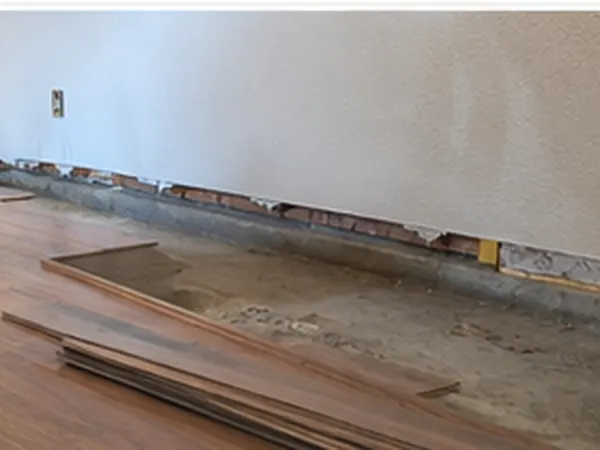
Damp that returns after several dry days points to a source, and sources get repaired before drying begins. Once the leak is fixed, structural drying brings the wall back to normal readings.
Keep notes with dates and photographs, since insurers often ask when a stain first appeared. If you are unsure which service applies, the contact page lists the phone line for a quick conversation.
Questions people ask
[Process] Is a damp wall always a sign of mold?
No, but persistent dampness gives mold what it needs within a couple of days. If a damp area also smells earthy or shows dark spots, have it checked and dried before growth spreads.
[Cost] Can a dehumidifier fix damp walls?
It helps with condensation and general humidity, but it will not stop a leak or groundwater entering a wall. Find and fix the source, then use dehumidification to dry what was wet.