Make sure everyone is safe
Check for sagging ceilings, hanging branches and downed power lines before anything else. If a line is touching the tree or the roof, stay back and call 911 and the electric utility.
Do not climb onto a wet roof. Photographs from the ground and from inside the attic show the damage safely and give your insurer what it needs.
Protect the inside
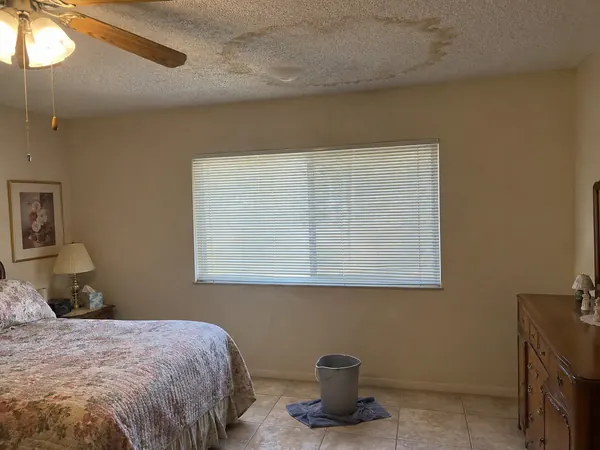
Move furniture and electronics away from the area and place buckets under any drips. A bulging ceiling can hold a lot of water, so keep people out of the room until it is released through a small controlled opening.
Turn off light fixtures on circuits below a leak, and call for temporary tarping if rain is expected. A tarp costs far less than a ceiling, insulation and flooring replaced after a second storm.
Document the damage
Take wide shots of the tree, the roof and the room below, then close-ups of punctures and stains. Record the date and time of the storm and any weather alerts, since insurers often ask.
Keep receipts for emergency tarping, drying and cleanup. Call your insurer promptly and ask which parts of the loss, such as tree removal and interior damage, are covered.
Dry what got wet
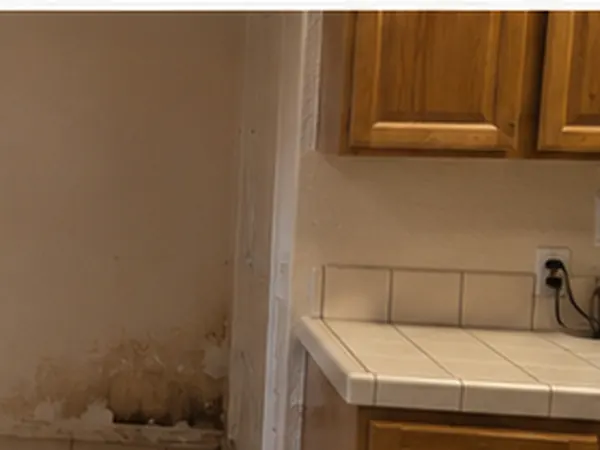
Wet insulation holds water against the ceiling and invites mold within a couple of days. A crew removes saturated insulation, opens the ceiling where needed and dries the framing with dehumidifiers and air movers.
A roofer then repairs the opening, and the readings from the drying visits help your contractor decide which parts of the ceiling to replace.
Check the attic after the storm
A flashlight is enough to look for daylight through the roof deck, dark stains on sheathing and flattened insulation. Step only on joists, and stay off a wet roof from the outside.
If insulation is wet, say so when you call, because roof and ceiling leak damage is handled differently from a dry attic with a damaged shingle.
Why tarping comes first
Rain after a storm can add more water through the same opening, so a tarp or board-up is the quickest way to stop damage from growing. Temporary covers are not a repair, and a roofer still has to replace the damaged materials.
The storm damage service covers water entry through roofs, windows and foundations, and lists what falls outside the scope.
Drying insulation and ceilings
Wet insulation holds water against drywall and wood for days, so it is removed and the framing is dried with dehumidifiers and air movers. Readings at each visit show when the ceiling cavity returns to normal levels.
See the structural drying page for a typical day-by-day timeline and what moisture levels look like at each step.
Trees, insurance and costs
Trees close to the house are the usual source of roof strikes in winter wind. A licensed tree service can assess heavy limbs, and many insurers prefer to hear about damage before a tree is removed.
The pricing page shows typical ranges for roof leak drying and tarping, and the response checklist keeps paperwork in order.
Questions people ask
[Process] Will insurance cover a branch falling on my roof?
Wind and falling tree damage is typically covered, including the interior water damage that follows. Policies differ on tree removal, so ask your insurer and keep photographs and receipts.
[Cost] How soon should the roof be tarped?
As soon as it is safe, ideally before the next rain. A temporary cover stops more water from entering, and a roofer can then schedule the permanent repair.